Paddle profile is the most misunderstood spec in pickleball. Players obsess over shape and thickness but often overlook the single factor that most directly determines how a paddle will feel in their hands during a real game.
Profile describes the relationship between a paddle's baseline power and its pop on short swings. Get this right and everything else falls into place.
The Three Profiles
Power Profile
A power paddle hits hard from the baseline and is very responsive on short swings. Both characteristics are amplified — you get pace on drives and serves, and you get pace on dinks and resets too.
This profile is excellent for players who have a well-developed soft game and can manage the firepower. It's also appropriate for players who struggle to generate their own pace and need the paddle's help to end points.
The challenge: a power paddle is unforgiving at the kitchen. If your soft game isn't dialed in, the paddle will betray you constantly with unintentional pop.
*Recommendation: Aireo Cyclone*
Control Profile
A control paddle has low baseline power and a muted response on short swings. It keeps shots low and unattackable. Players who focus on "classic" pickleball — grinding out points, staying in rallies, winning with placement — will love this profile.
On the other hand, players who can generate their own power but want easier access to their soft game also appreciate control paddles. The muted response allows them to swing freely through shots with more margin for error.
The challenge: in the modern game, control paddles can feel underpowered against players using all-court or power paddles. You have to be able to generate your own pace.
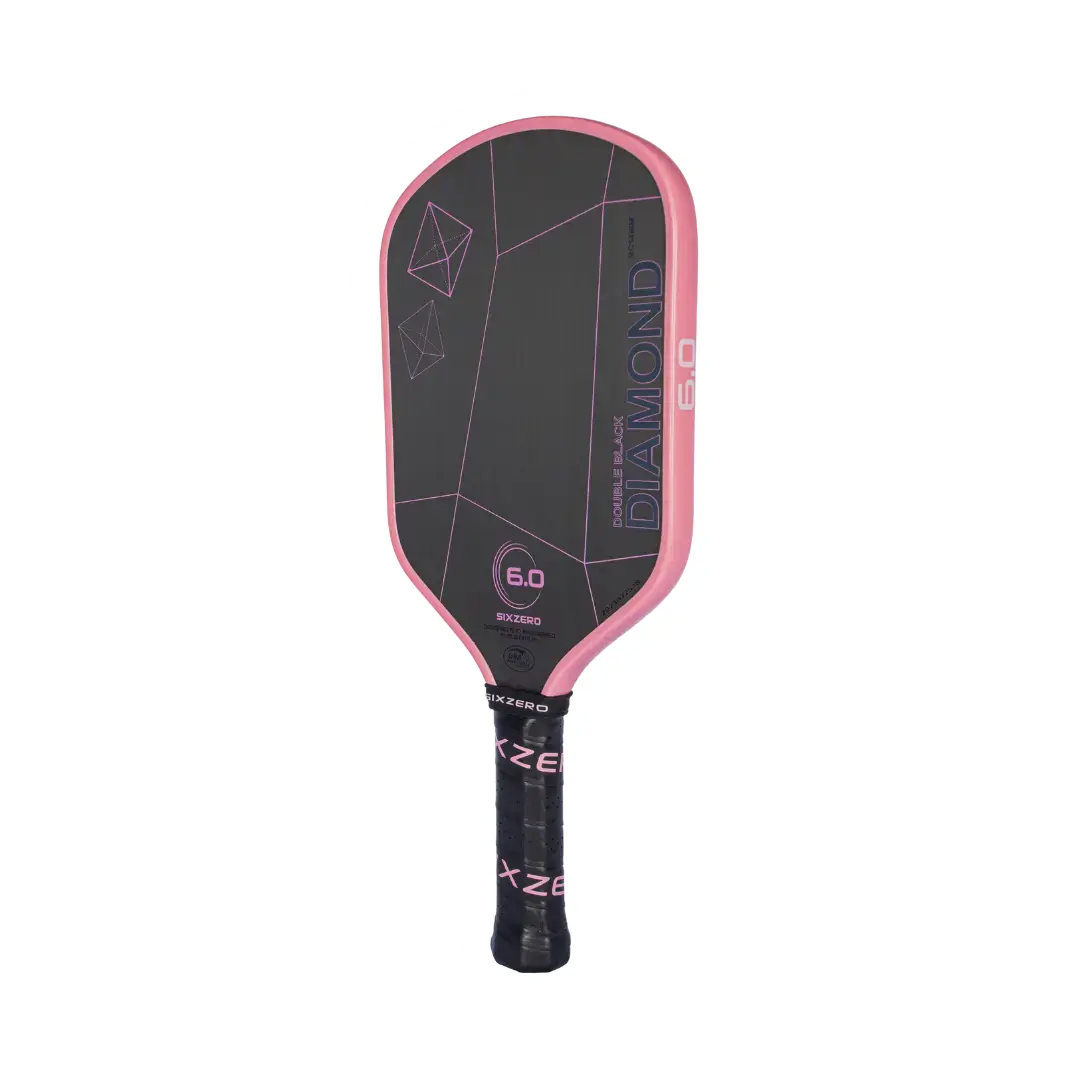
*Recommendation: Six Zero DBD Control*
All-Court Profile
The all-court profile has become the dominant choice in recreational play, and for good reason. It balances mid-to-high baseline power with mid-tier pop — enough to finish points when the opportunity comes, but forgiving enough to keep the soft game accessible.
In the modern market, the all-court profile has largely replaced the pure control profile for players focused on the soft game. The game has gotten faster, and all-court paddles let you keep up without sacrificing your kitchen game.
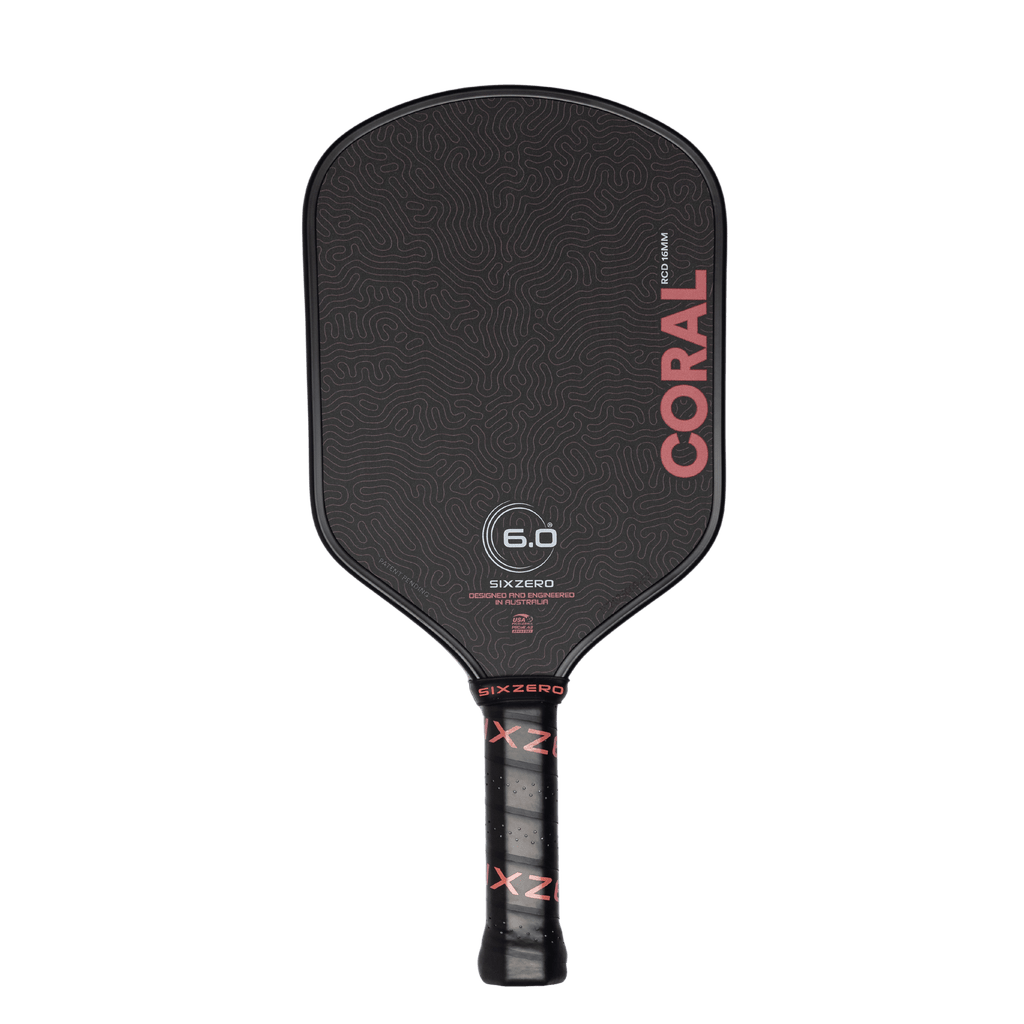
*Recommendation: Honolulu J2FC+, Six Zero Coral Hybrid*
How to Choose
The honest answer is that most recreational players should start with an all-court paddle. It's the most forgiving profile for developing players and the most versatile for players who play a mix of singles and doubles.
From there, the question is whether you want to highlight your strengths or shore up your weaknesses:
| Your Game | Lean Toward |
|---|---|
| Strong soft game, want more offense | Power profile |
| Strong offense, want more kitchen control | Control profile |
| Still developing all aspects | All-court profile |
| Play mostly doubles | All-court or Control |
| Play mostly singles | Power or All-court |
If you're not sure, come into Spinwave. We'll ask you a few questions about how you play and put the right paddle in your hands.