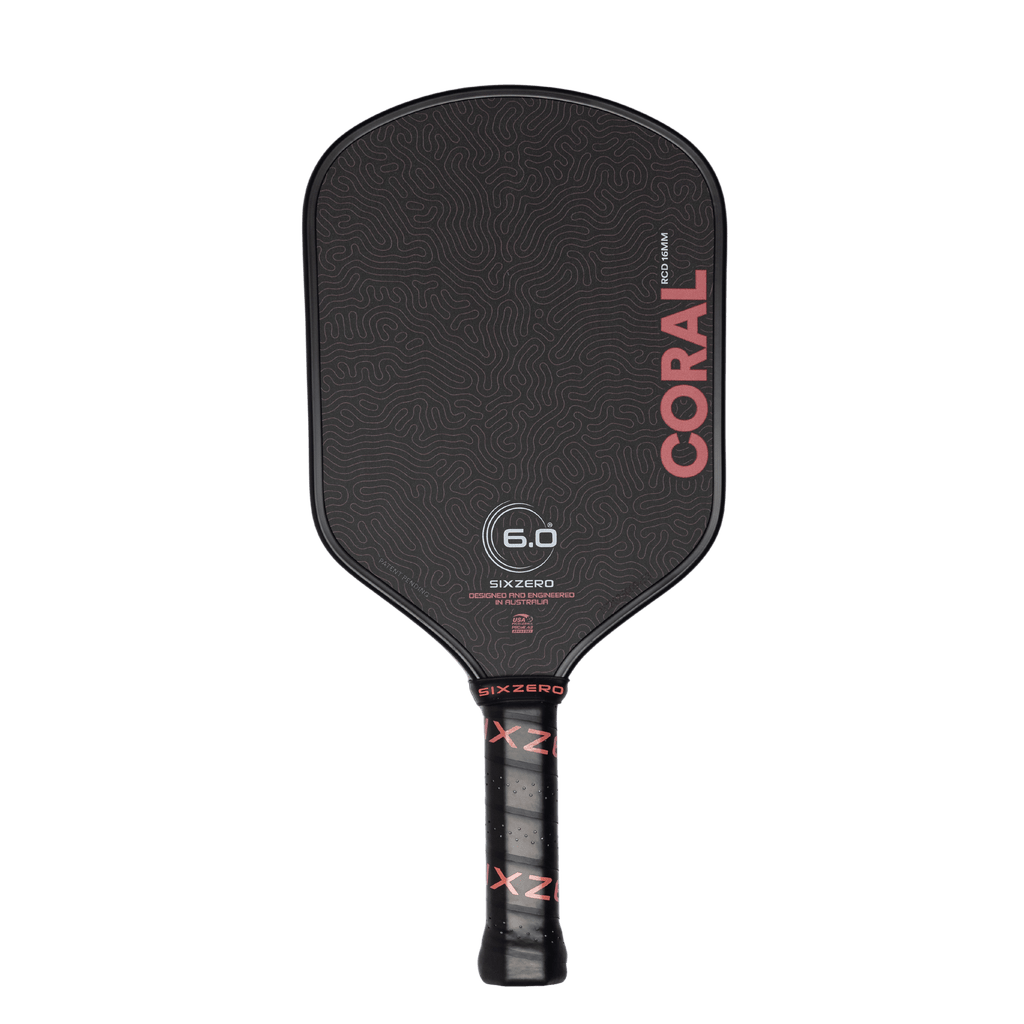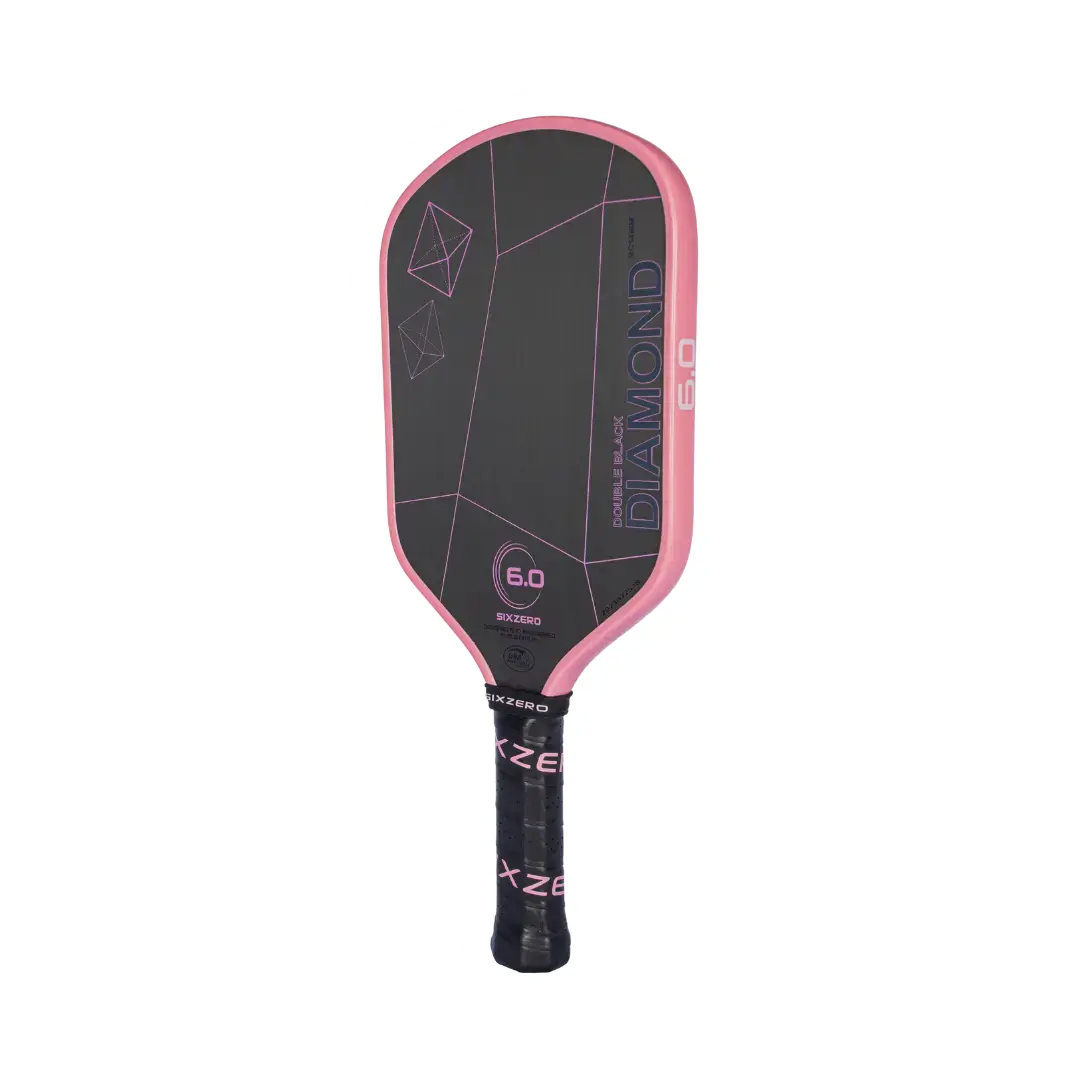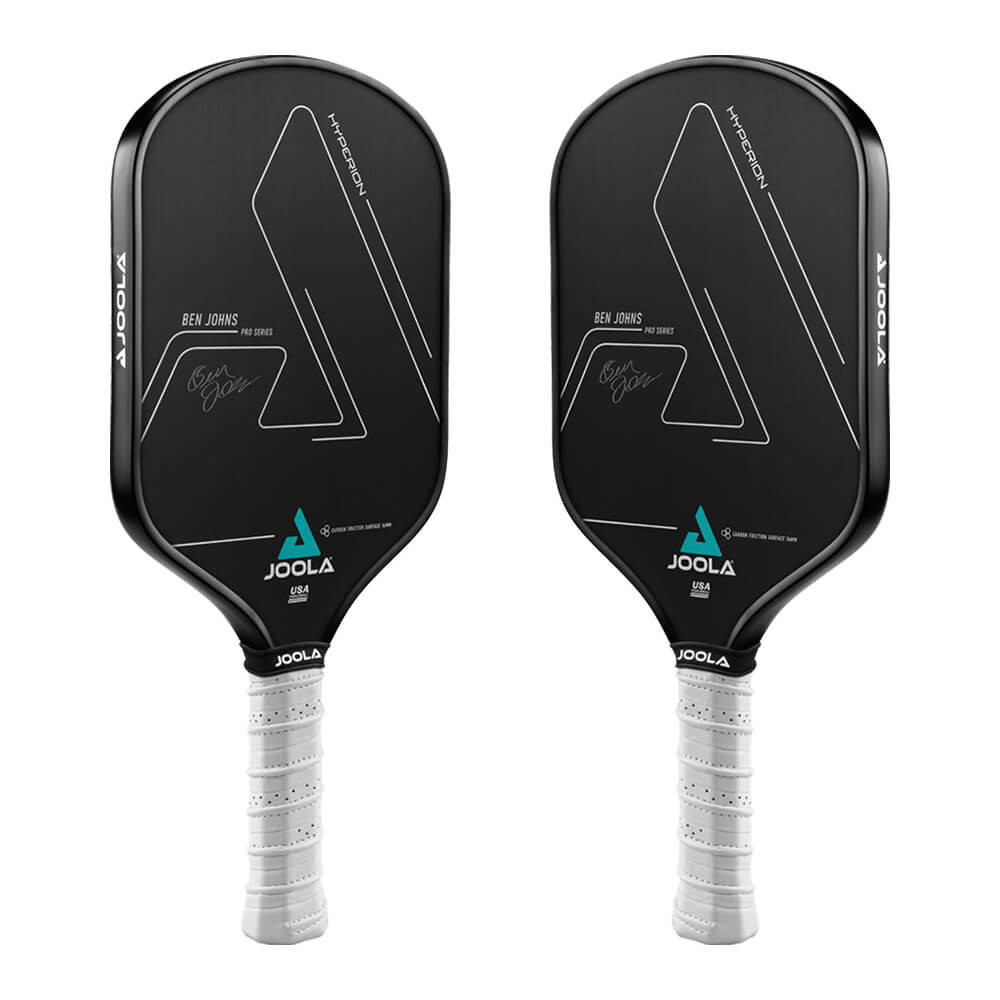
Paddle thickness is one of those specs that sounds technical but has a very direct, tangible impact on how a paddle plays. Once you understand what thickness actually does, it becomes one of the easiest decisions in the paddle-buying process.
The Basic Rule
Thinner paddles (14mm and below) are more responsive off the face — what players call "poppy." They tend to be lighter and have less plow-through power. Thicker paddles (16mm and above) are less poppy, have more baseline power, and have proportionately larger sweet spots.
Think of it like a trampoline. A tighter trampoline (thin paddle) bounces the ball off faster. A looser trampoline (thick paddle) absorbs more of the impact and redirects it with more control.
What "Poppy" Actually Means
Poppiness refers to how quickly the ball leaves the paddle face. A poppy paddle amplifies small swings — a short dink motion produces more pace than you might expect. This is great for players who have developed touch and want the paddle to respond precisely to their intent. It's challenging for players still developing their soft game, because the margin for error is smaller.
What Thickness Does to Your Soft Game
This is where thickness matters most. A 16mm paddle is significantly more forgiving on dinks and resets. The thicker core absorbs more energy on contact, making it easier to keep the ball low and unattackable. For most recreational players, this is the most important factor in choosing thickness.
A 14mm paddle in the wrong hands at the kitchen will produce unintentional pace — shots that pop up and invite attackable responses.
The Sweet Spot Difference
Thicker paddles have larger sweet spots. This is a function of geometry — more core material means more of the paddle face is supported and responsive. For players who are still developing their mechanics, a larger sweet spot is a meaningful advantage.
When to Go Thinner
There are legitimate reasons to choose a 14mm paddle, but they're mostly relevant to more advanced players:
A player with a highly developed soft game who generates their own power may prefer the more direct, responsive feel of a thinner paddle. The reduced plow-through becomes an asset rather than a liability because they're not relying on the paddle for pace.
Players who play a lot of singles — where baseline power matters more than kitchen forgiveness — also tend to prefer thinner paddles.
Our Recommendation
For most recreational players, start with 16mm. It's more forgiving, more powerful from the baseline, and more consistent on soft shots. You can always move to 14mm once you know exactly what feel you're chasing.
If you're already playing at a 4.0+ level and feel like your soft game is dialed in, a 14mm paddle might unlock the next level of responsiveness you're looking for. Come into Spinwave and we'll let you demo both.